The Clinical Problem & Off-Grid Challenge
In underserved and rural districts across East Africa, healthcare clinics face severe diagnostic bottlenecks. High-cost diagnostic machines rely on continuous AC grid power, high-bandwidth cloud connectivity, and clean indoor environments. Without immediate diagnostic capability, patients traveled hours only to receive delayed preventative screening.
The Engineering Solution
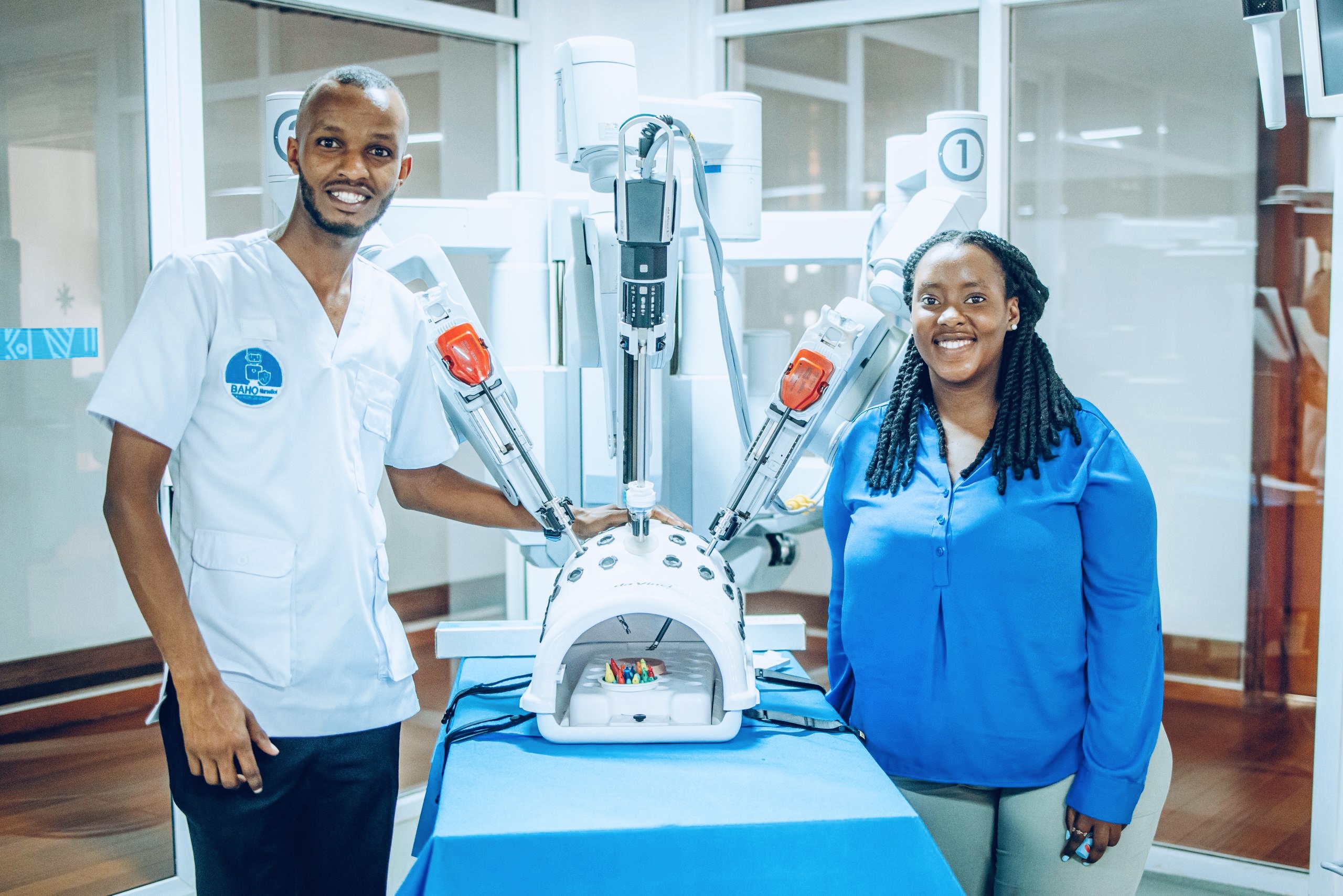
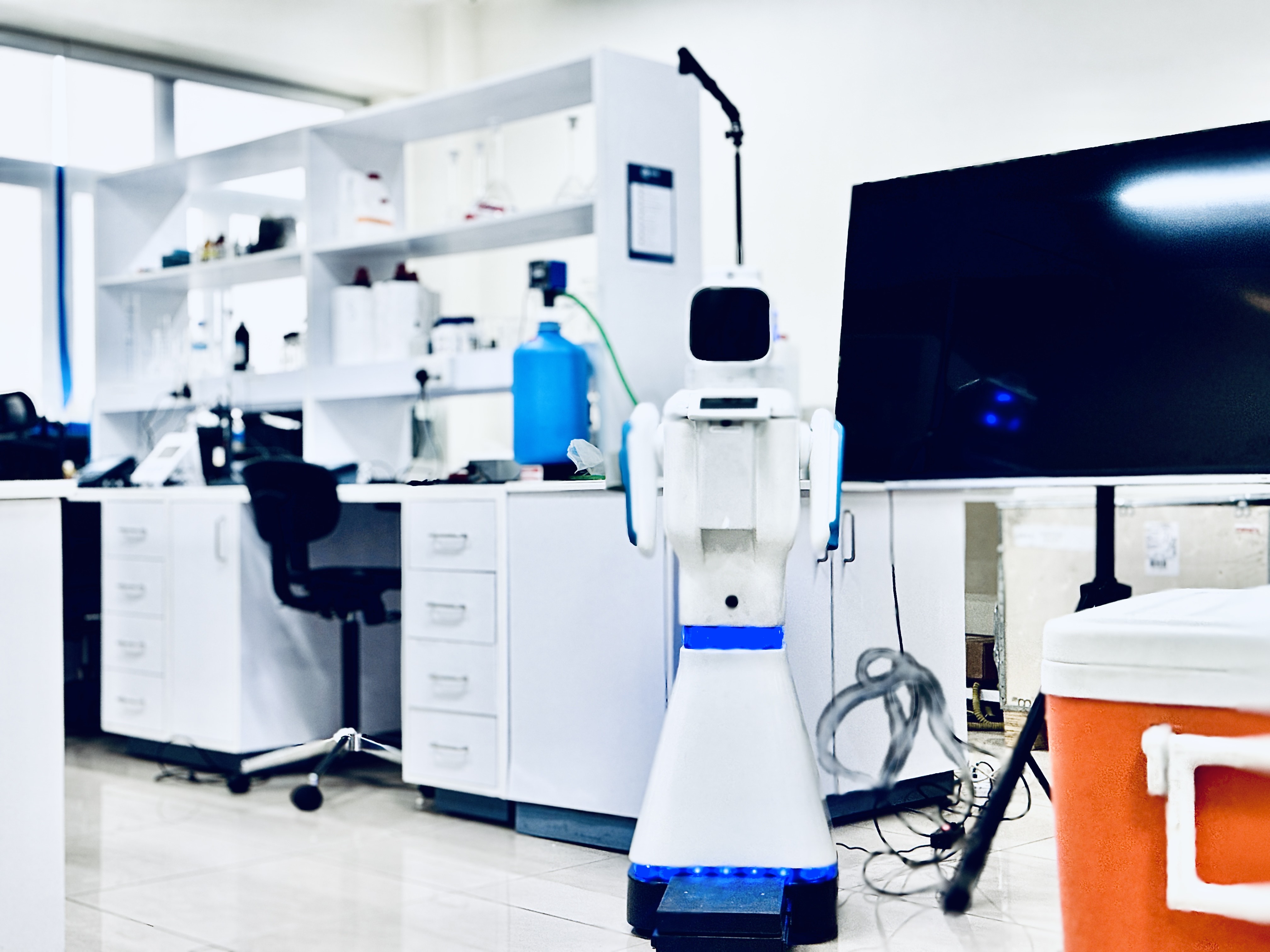
Claude Irankunda designed and spearheaded the development of the BAHO NurseBot: a portable, rugged, solar-powered screening station with integrated battery management, non-volatile offline data storage, and automated vital diagnostics.
System Architecture & Key Innovations
- Power Architecture: Solar-PV charging with dual-stage LiFePO4 battery management, providing 72+ hours of off-grid operation.
- Offline-First Synchronization: Local embedded storage (SQLite / Flash) with encrypted opportunistic sync via cellular GPRS/SMS when in network range.
- Diagnostic Sensor Suite: Integrated non-invasive blood pressure, blood glucose, SpO2 pulse oximetry, thermal sensing, and patient ID barcode scanner.
- Ruggedization: Dust-proof, shock-resistant chassis engineered for rural transport over rough terrain.
Field Impact & Validations
Deployed across 23 districts in partnership with UNICEF, public health authorities, and rural clinical networks. The system successfully recorded 432,667 diagnostic screening tests for over 107,917 patients, reducing preventative detection delays from weeks to minutes.
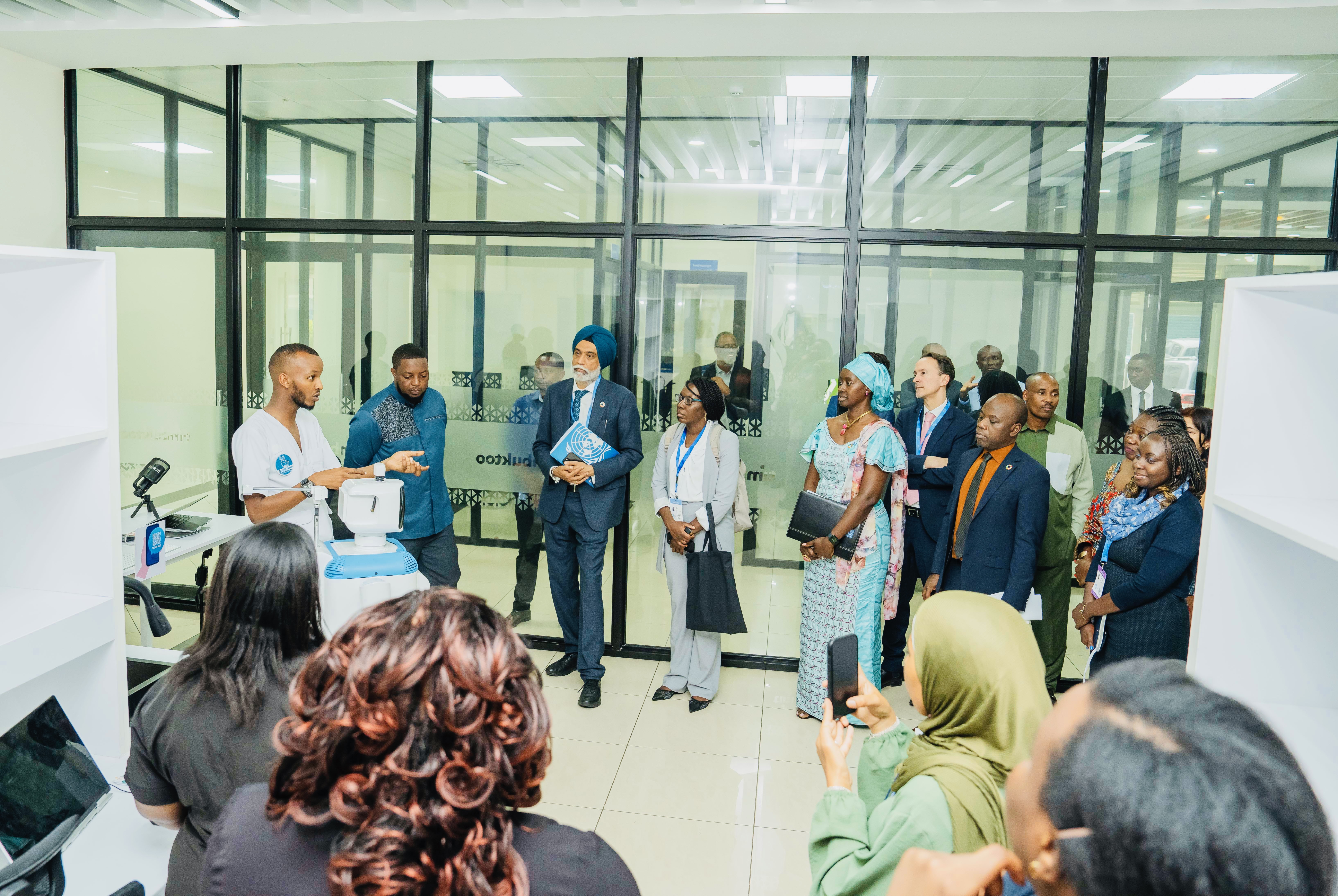
 Solar Screening Unit // Field Deployment


-DfuwdYeO.jpg)